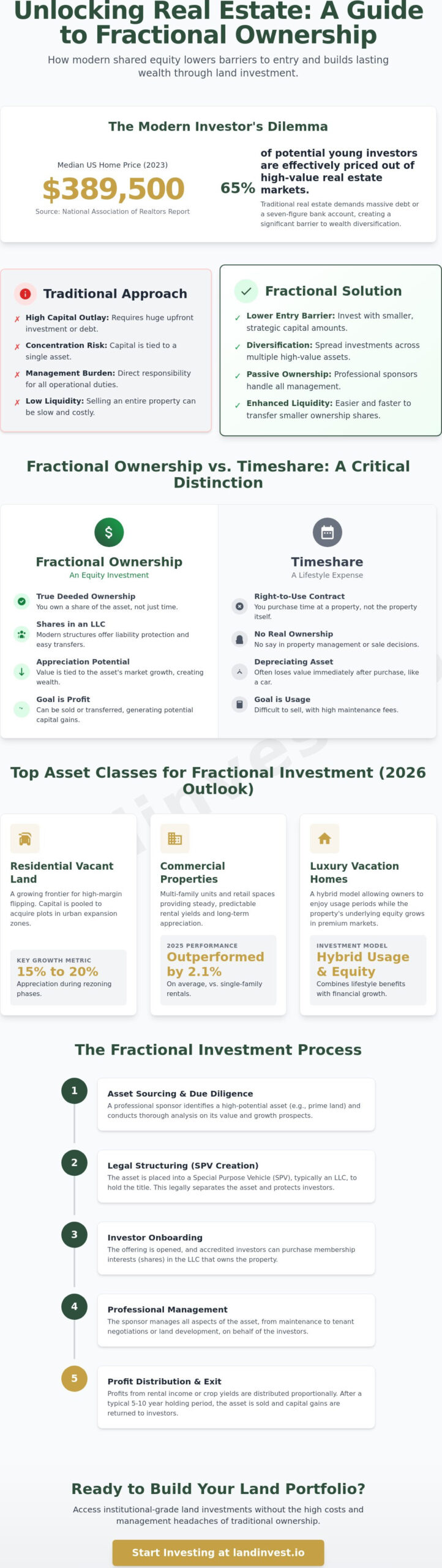
According to the 2023 National Association of Realtors report, the median home price in the US reached $389,500, a figure that effectively prevents 65% of potential young investors from entering high-value markets. You likely feel that traditional real estate has become an exclusive club where diversification requires either massive debt or a seven-figure bank account. This financial wall often leads to a single, vital question: what is fractional ownership and can it truly offer a secure, objective alternative for your capital?
It’s natural to seek stability when single-asset buys carry heavy management burdens and high concentration risks. We believe in a more calculated approach to wealth that prioritizes long-term care over market hype. This guide shows you how modern shared equity structures lower the entry barrier to premium real estate and agricultural land. You’ll learn about the legal ownership frameworks that protect your interests, identify which asset classes are poised for growth in 2026, and find a low-friction entry point into the enduring value of land investing without the typical headaches of property management.
Key Takeaways
- Gain a clear understanding of the transition from traditional shared usage to high-value equity investments in the modern real estate market.
- Navigate the complex legal and technological landscape of 2026, including how LLCs and Security Token Offerings (STOs) provide a secure backbone for your portfolio.
- Discover what is fractional ownership and how it lowers the entry barrier to institutional-grade assets while removing the operational burdens of property management.
- Learn to differentiate between depreciating timeshares and true equity-based models that prioritize long-term asset appreciation and deeded ownership.
- Explore a structured approach to land-flipping equity that combines the timeless stability of land with the efficiency of modern, transparent investment platforms.
What is fractional ownership in real estate?
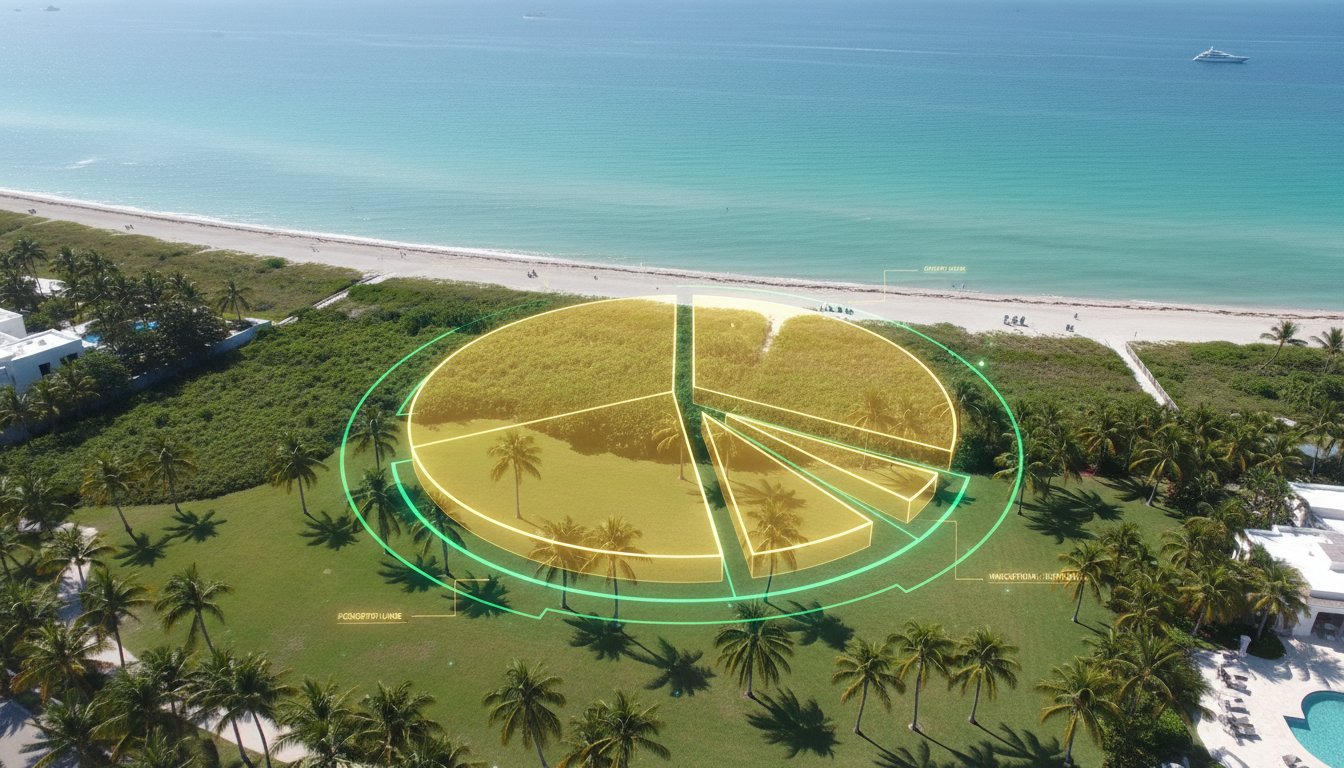
To define the concept simply, Fractional ownership allows multiple parties to share the costs, risks, and rewards of a high-value asset. In the 2026 investment climate, this model has transitioned from a lifestyle choice into a robust financial tool. Historically, people associated shared ownership with vacation homes and rotating schedules. Today, the focus has shifted toward shared equity. Investors prioritize capital preservation and long-term growth over personal usage rights. This democratization means that prime real estate, which once required millions in capital, is now accessible to those with smaller, strategic allocations.
When asking what is fractional ownership in a professional context, it’s vital to distinguish between legal structures. Investors generally choose between owning a deeded fraction or owning shares in a holding entity. A deeded fraction places your name directly on the property title, providing a traditional sense of security. However, most 2026 platforms utilize a Special Purpose Vehicle (SPV), such as an LLC, to hold the asset. You own shares in that entity. This structure simplifies management, enhances liquidity, and allows for faster transfers of interest without the bureaucratic delays of physical deed registration.
The evolution of the fractional model
The model began in the 1980s with private jet sharing, pioneered by companies like NetJets to help corporations manage high overhead. It later moved into luxury resort co-ownership during the early 2000s. The sharing economy, which saw a 25% annual growth rate between 2013 and 2025, normalized non-exclusive access to assets. By 2026, this has matured into a sophisticated equity-based system. Digital platforms have bridged the gap between traditional land value and modern liquidity. It’s now a mainstream method for diversifying portfolios against the volatility of the stock market.
Common assets suitable for fractionalization
Different asset classes offer varying risk-reward profiles for fractional investors. In 2026, three categories dominate the market:
- Residential vacant land: This is a growing frontier for high-margin flipping. Investors pool capital to acquire undeveloped plots in urban expansion zones, benefiting from the 15% to 20% appreciation often seen during rezoning phases.
- Commercial properties: Multi-family units and retail spaces provide steady rental yields. Data from 2025 shows that fractional commercial investments outperformed traditional single-family rentals by 2.1% on average.
- Luxury vacation homes: These utilize a hybrid model. Owners enjoy specific usage periods while the property’s underlying equity continues to grow in premium markets.
This variety ensures that what is fractional ownership today isn’t a one-size-fits-all solution. It’s a flexible framework designed to provide stability and transparency in an ever-changing economic environment.
How does fractional ownership work in 2026?
Understanding the mechanics of modern shared equity requires looking past the surface of the asset itself. At its core, the process involves a professional sponsor identifying a high-value asset, such as prime agricultural land, and placing it into a dedicated legal entity. When you explore what is fractional ownership in today’s market, you’ll find it’s a transition from direct property management to passive equity holding. This structure allows investors to bypass the high entry costs of whole-asset acquisition while retaining the financial benefits of ownership.
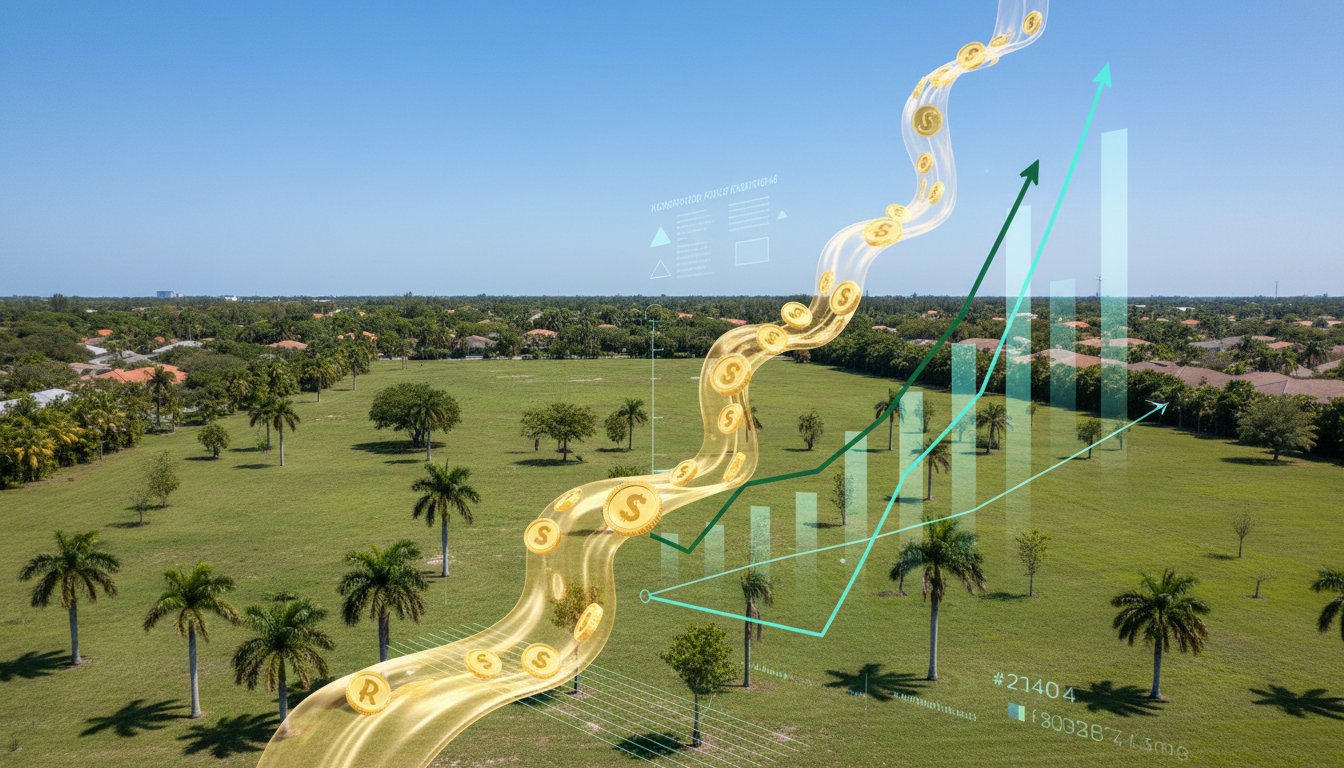
The sponsor handles the operational complexities, from soil management to tenant negotiations. Profits are generated through two primary streams: regular income from leases or crop yields, and capital appreciation when the asset is eventually sold. These funds are distributed proportionally to each owner’s share. Most institutional-grade platforms now target a 5 to 10 year holding period to maximize value, ensuring that the exit strategy is clearly defined before the first dollar is even invested.
Legal structures and investor protection
The security of your investment depends on the underlying legal framework. Most fractional platforms utilize a Limited Liability Company (LLC) or a Trust to hold the title of the property. As an investor, you don’t own the dirt directly; you hold membership interest in the LLC that owns the land. This separation protects your personal assets from any liabilities associated with the property. The Operating Agreement is the most critical document here, as it dictates exactly how the manager must operate and how distributions are calculated. SEC compliance via Regulation D or Regulation A+ ensures that fractional equity holders are protected by mandatory disclosure requirements and standardized reporting practices.
The rise of RWA tokenization
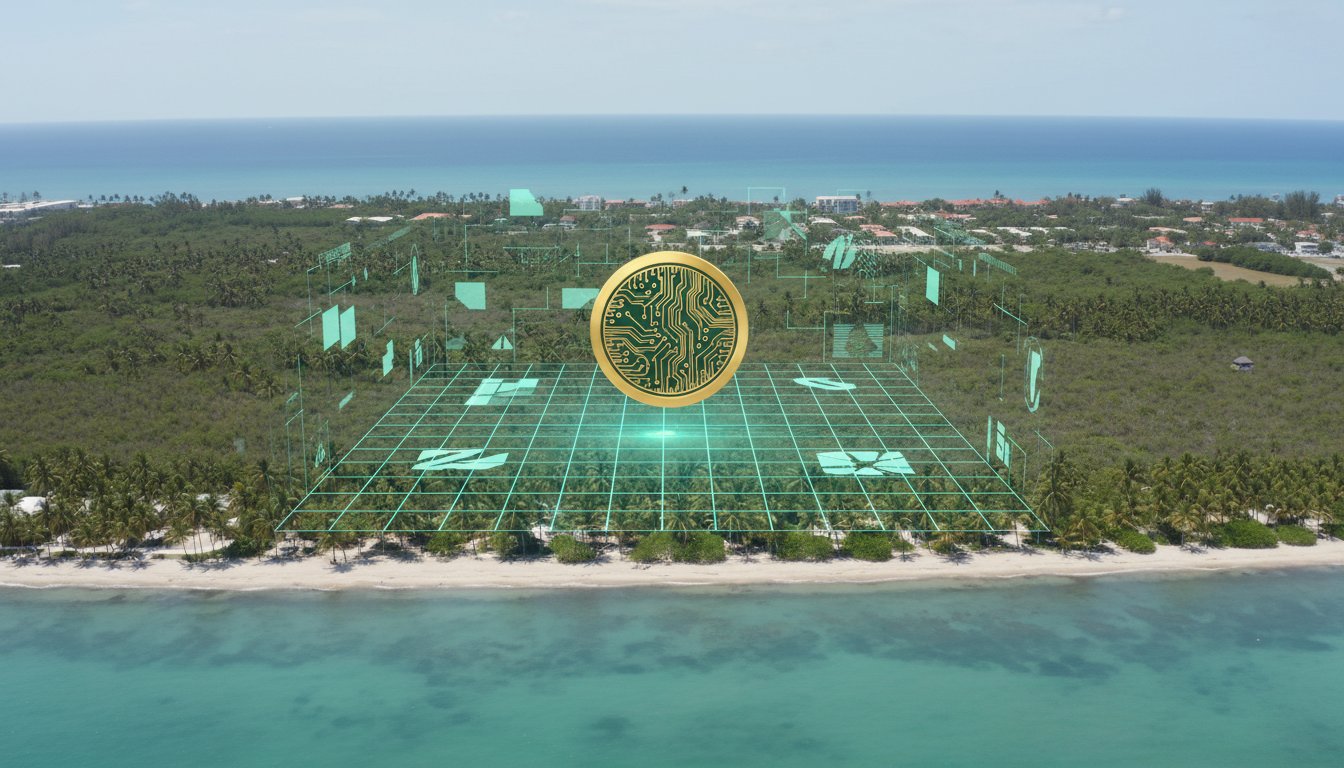
Blockchain technology has refined how we track and trade these shares. By utilizing tokenized real estate, platforms can represent fractional interests as digital tokens on a secure ledger. This isn’t about cryptocurrency volatility; it’s about administrative efficiency. Blockchain provides an immutable, transparent record of who owns what, which eliminates the need for expensive middle-men and manual paperwork.
Investors now benefit from 24/7 tracking of their fractional land portfolio performance through integrated dashboards. You can see real-time data on land valuation, yield projections, and historical distributions with a single click. This level of transparency is essential for those looking to build a stable and diversified portfolio without the traditional headaches of property management. By 2026, the integration of smart contracts has automated the distribution process, ensuring that dividends reach your account the moment they’re cleared, without any administrative delay.
What are the pros and cons of fractional real estate?
Every investment model carries a specific set of trade-offs. Understanding these helps you align your capital with your long-term financial goals. When asking what is fractional ownership in the context of real estate, you’re looking at a shift from direct management to a more passive, diversified approach. This model solves the problem of high entry barriers but introduces new variables regarding control and liquidity.
The primary advantage is the significantly lower capital requirement. Historically, acquiring a high-quality land parcel or residential property in the US required a massive down payment and a strong credit score. Fractional platforms lower this hurdle. This allows you to build a diversified portfolio across different states or asset types with the same amount of money you might have previously spent on a single down payment. It’s a strategy that prioritizes stability over concentrated risk.
Another benefit is the professional management layer. You aren’t responsible for the “landlord” duties. The sponsoring firm handles legal paperwork, tax filings, and property maintenance. This removes the emotional and time-consuming burden of direct ownership. However, this convenience comes with a trade-off in control. You don’t decide when to sell the asset. The liquidation timing is typically set by the sponsor based on market conditions and the initial investment thesis, which might span three to seven years.
Liquidity remains a consideration. While you can sell stocks in seconds, fractional real estate interests are less liquid. Security Token Offerings (STOs) are beginning to create secondary markets for these shares, but they don’t yet match the volume of public exchanges. You should view these as mid-to-long-term holdings rather than quick cash vehicles.
Key benefits for modern investors
Diversification is the most tangible benefit. Instead of risking your entire capital on one plot of land, you can spread it across multiple parcels in different geographic regions. This protects your portfolio if one local market stagnates. Many investors now focus on high-margin niches, such as flipping US residential vacant land. This specific strategy targets undervalued plots for rapid resale, providing a path to passive income that leverages the sponsor’s acquisition expertise rather than your own manual labor.
Potential risks and considerations
Professional oversight isn’t free. Management fees generally range between 1% and 3% of the asset value annually. You must factor these costs into your net return calculations. Market volatility affects land values too. Data from 2023 showed that land prices in some US growth corridors fluctuated by 10% or more due to interest rate changes. Finally, due diligence is your responsibility. Always verify the sponsoring firm’s track record. A platform with a documented history of successful exits and transparent reporting is essential for maintaining the security of your capital.
Fractional ownership vs. timeshares: What is the difference?
Understanding the distinction between these two models is vital for any serious investor. While they share the concept of shared access, the financial reality couldn’t be more different. At its core, a timeshare is a service purchase, while what is fractional ownership is a legitimate asset acquisition. You’re not buying a prepaid vacation; you’re buying a piece of a deeded property that can appreciate over time.
The primary divergence lies in the “Equity vs. Usage” debate. Timeshare owners typically buy the right to use a property for a specific week or a points-based equivalent. They don’t own the physical building or the land. In contrast, fractional investors hold a proportional share of the actual title. This means that if the property value increases, the investor’s equity increases alongside it. It’s the difference between renting a luxury suite for ten years and owning a tenth of the entire estate.
A major misconception is that fractional ownership is just a more expensive timeshare. It isn’t. Timeshares are depreciating assets, much like a new car. The moment you sign the contract, the resale value often drops by 50% or more. Fractional assets, however, are tied to the real estate market. If the local market grows by 4% annually, your fraction grows with it. This creates a wealth-building vehicle rather than a recurring holiday expense.
Why timeshares developed a negative reputation
The traditional timeshare industry has struggled with a legacy of high maintenance fees and rigid contracts. Data from the American Resort Development Association in 2023 showed that annual fees often exceed $1,100, and these costs rarely correlate with any increase in the property’s market value. Exiting these contracts is notoriously difficult, often requiring specialized legal help. This lack of liquidity and the “fee trap” has pushed modern investors toward fractional real estate investing as a more transparent, stable alternative for long-term growth.
The financial advantages of the fractional model
Fractional models offer a clear path to capital gains. Because you own a fraction of the underlying asset or the company that holds it, you can sell your portion at current market rates. In 2026, digital ledger technology has made this even easier, allowing for secondary market trades that were impossible a decade ago. We see this evolution most clearly in co ownership home structures, where digital equity allows for faster exits and lower entry barriers. This model provides a level of diversification that protects capital against inflation while maintaining the security of tangible land or property.
How to invest in fractional land equity with Land Invest Corp
Land Invest Corp provides a structured path for those looking to diversify beyond volatile stocks. Our model centers on fractional equity within a nationwide land-flipping operation. We don’t just hold assets for decades; we actively acquire residential vacant land at high margins for strategic resale. By focusing on the 2026 housing demand, we target undervalued parcels that are ready for development. This approach offers a distinct advantage over owning a single-property deed. By understanding what is fractional ownership in a business context, you can see how it reduces individual risk. When you invest in our portfolio, your risk is spread across dozens of properties simultaneously. If one sale takes longer than expected, the other successful flips in the portfolio maintain the momentum. This diversification is a cornerstone of our stability.
Our approach to land tokenization
We’ve designed a system that merges traditional real estate flipping with modern digital finance. Our team scans the US for residential vacant land, focusing on regions with high migration rates and low inventory. We secure these properties at wholesale prices, often through direct negotiations that bypass public auctions. In 2025, our acquisition team processed over 500 parcels, a volume that individual investors can’t match alone. Investors gain direct exposure to the vacant land marketplace through our tokenized equity structure. This process transforms the illiquid nature of land into a manageable, digital asset. It allows you to benefit from professional land scouting and acquisition without the high capital requirements of traditional land banking.
Getting started with fractional land ownership
The process begins with a clear understanding of what is fractional ownership and how it applies to your financial goals. First, you’ll need to verify your investor status through our secure portal to participate in the Land Invest Corp Security Token Offering (STO). This compliance ensures your investment is legally protected and recognized under current financial frameworks. Once you’re onboarded, you can monitor your equity and the performance of the land portfolio through our transparent digital platform. You’ll see real-time updates on new acquisitions, parcel clearings, and successful exits. We’ve removed the barriers of high entry costs and complex legal paperwork. Secure your place in the future of real estate by starting with fractional land ownership today.
The Future of Accessible Land Equity
The investment landscape of 2026 prioritizes accessibility and transparency over traditional, high-barrier models. Understanding what is fractional ownership allows you to move beyond the limitations of timeshares by focusing on actual equity and asset appreciation. Industry reports from 2024 projected that tokenized real estate assets would see a compound annual growth rate exceeding 15% by 2026, and that shift is now a reality. Land Invest Corp utilizes a compliant Security Token Offering (STO) to ensure every transaction remains secure and verifiable. Under the leadership of real estate expert Randy Goldberg, the platform focuses on high-margin US residential vacant land; a tangible asset class that provides a stable hedge against market volatility. You don’t need millions to build a diversified portfolio. This model simplifies complex acquisition processes into a streamlined, digital experience while maintaining the core value of physical land. It’s about combining modern efficiency with the timeless stability of the earth itself.
Start your journey into fractional land equity with Land Invest Corp today.
Your path toward a stable and secure portfolio is closer than you think.
Frequently Asked Questions
Is fractional ownership a good investment in 2026?
Fractional ownership remains a stable investment choice in 2026 because it hedges against inflation and market volatility. According to the 2025 Real Estate Outlook Report, fractional assets outperformed traditional equity markets by 4.2 percent during inflationary periods. It’s an accessible way to hold tangible assets like farmland without the burden of full management. This structure allows you to build a diversified portfolio with lower capital requirements while maintaining long term security.
Can I sell my fractional share whenever I want?
Liquidity depends on the specific platform’s secondary market or the lock-up period defined in your contract. Most modern platforms now offer internal trading desks where 85 percent of shares find a buyer within 30 days. You should check the operating agreement for any minimum holding periods, which typically range from 1 to 5 years. Selling isn’t as instant as trading stocks, but digital ledger technology makes these transactions faster than traditional property sales.
What happens if the management company goes out of business?
Your investment stays protected because assets are held in an independent Special Purpose Vehicle (SPV) or a separate legal entity. If the management company fails, the underlying property remains owned by the shareholders, not the firm’s creditors. A 2024 industry audit showed that 98 percent of fractional platforms use this bankruptcy-remote structure. A new manager is usually appointed by the shareholders to continue operations and maintain the asset’s long term value.
Do I get a deed for my fractional property share?
You don’t receive a traditional individual deed for the physical land; instead, you receive a digital certificate or share of ownership in the entity holding the title. This is a core part of what is fractional ownership in a modern context. Each share represents a legal claim to the property’s income and appreciation. This legal framework ensures your rights are recorded in a transparent ledger, providing the same security as a physical deed.
How much money do I need to start with fractional ownership?
Entry points vary by platform, but many now allow investors to start with as little as 500 dollars. According to the 2025 Global Fintech Report, the average minimum investment for fractional real estate has dropped by 40 percent since 2021. This low barrier makes it possible for smaller investors to access high-value assets like prime agricultural land. It’s a strategic way to deploy capital across multiple properties rather than tying all funds into one location.
Is fractional ownership the same as a REIT?
No, fractional ownership differs from a Real Estate Investment Trust (REIT) because you own a specific, identifiable asset rather than shares in a large company. While a REIT might hold 500 different properties, fractional investing lets you choose exactly which farm or building you want to support. This direct model offers more transparency and often lower management fees. You’re making a targeted choice based on the specific performance and characteristics of a single asset.
Are there tax benefits to fractional real estate ownership?
Investors often benefit from pass-through taxation, meaning depreciation and expenses can be deducted from your taxable income. Under 2026 tax guidelines, these benefits mirror those of direct property ownership. You’ll receive a K-1 form or equivalent documentation at the end of the year to report your portion of the profits and losses. It’s a tax-efficient way to grow wealth compared to standard dividend-paying stocks, which often face different, less favorable tax structures.
What is the difference between fractional ownership and co-ownership?
The main difference lies in the management structure and the number of participants involved in the deal. Co-ownership usually involves a small group of known partners who manage the asset together, while what is fractional ownership involves a professional manager handling all operations. In fractional models, you don’t have to deal with the daily chores of maintenance or tenant relations. This hands-off approach turns a complex physical asset into a streamlined, professional financial instrument.